
Fate/Zero Retrospective: Urobuchi’s Masterstroke and Its Pitfalls

Article at a glance:
- Nasu’s hopeful, messy ideals clash hard with Urobuchi’s grim, philosophical approach—giving us a Fate prequel that feels completely different in tone.
- A mature story full of moral ambiguity, iconic character dynamics, and some of the best episodes in the entire franchise.
- From Saber constantly being dunked on in ideology debates to Kirei’s arc leaning a bit too heavily on Gilgamesh, Zero has its missteps—but those flaws are part of what make it so distinct.
Despite the fact that it was Type/Moon who commissioned Gen Urobuchi to write Fate/Zero AFTER Fate/Stay Night the VN was released, the two approaches to the same mythos couldn’t be more different. If you don’t know, Gen Urobuchi is the writer of Psycho-Pass Season 1 and Madoka Magica. If you have watched either of those two, you will be intimately familiar with Mr. Urobuchi’s writing style. While I do think Madoka is his best work, Fate/Zero still deserves respect, and so today, I have a little retrospective piece for it.
I will go over everything that makes Fate/Zero click. Things it does well, how it is different from Nasu’s writing, and yes, its flaws too. So welcome to a long retrospective look at Fate/Zero. Right, I will divide this article into pieces that I think are the most important to Fate/Zero. Let’s get started.
Nasu vs. Urobuchi
If you have read any of Urobuchi’s previous works, his fingerprints are SO apparent over Fate/Zero. While Nasu believes in deeply flawed characters and ideologies, Urobuchi basically turns his characters into mouthpieces for philosophical debates. Nasu’s stories are much more hopeful, and even flawed ideologies are special in his works. But Urobuchi brings in that depression; every single ideology, no matter how pure, is doomed. Both of these styles have their pros and cons.
Sticking with Urobuchi, his style gives Fate/Zero a very mature tone compared to Fate/Stay Night. No one is truly a good guy in Fate/Zero. Everything is steeped in moral ambiguity and philosophical debates. This gives us one of the best episodes of Fate ever produced, Banquet of the Kings. But at times, this also comes at the cost of diminishing the characters themselves. This style of writing can also make some longer dialogue sections feel tedious.
Kiritsugu, Irisviel, and Saber
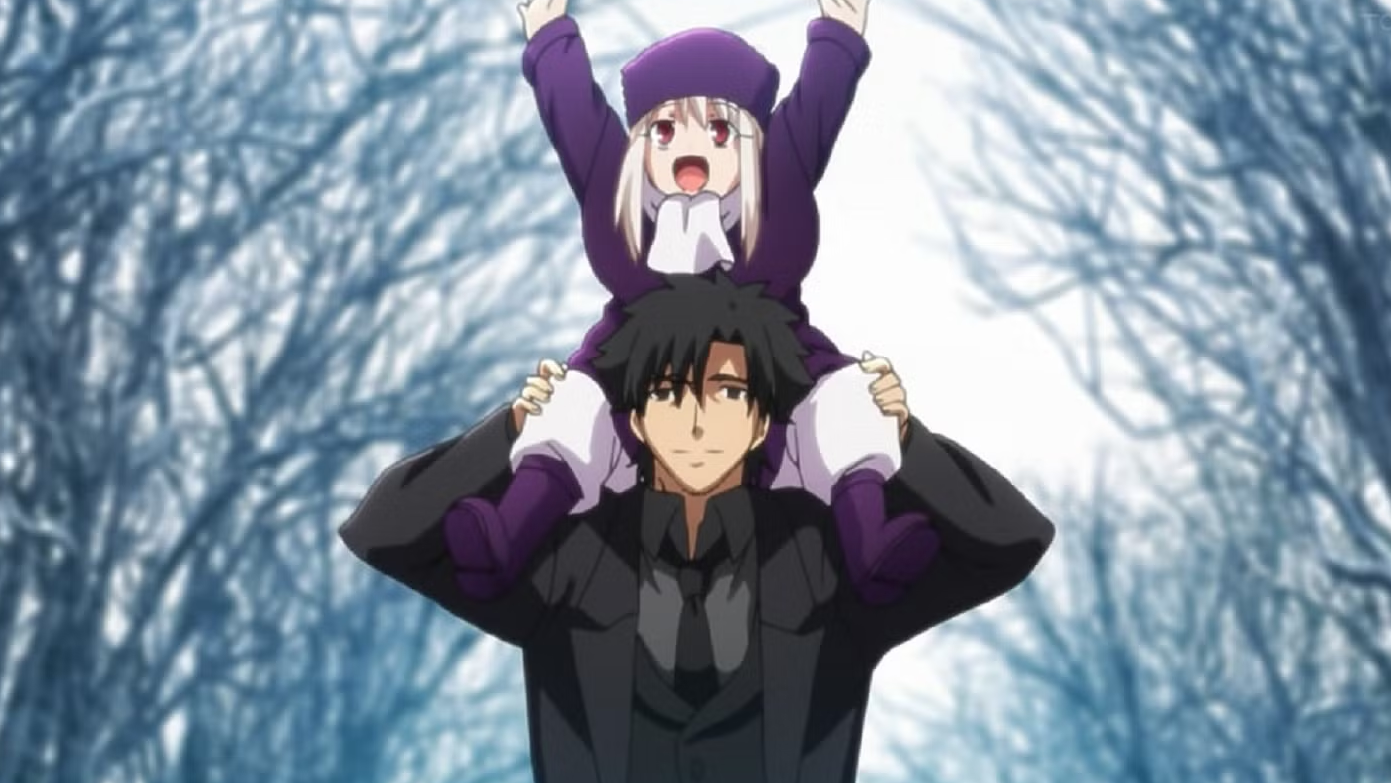
Emiya Kiritsugu might just be one of the best-written characters in the entirety of the Fate series. He is not some cold-blooded killer as many people would think. He is a deeply caring individual who has just been broken over and over because of the life he leads. At one moment, he could be thinking of Illya and tearing up at the thought of her future; the other moment, he would be killing off masters with ruthless proficiency. He justified all of his actions, thinking, “This will be the last time, the grail will fix everything,” but it was all for naught.
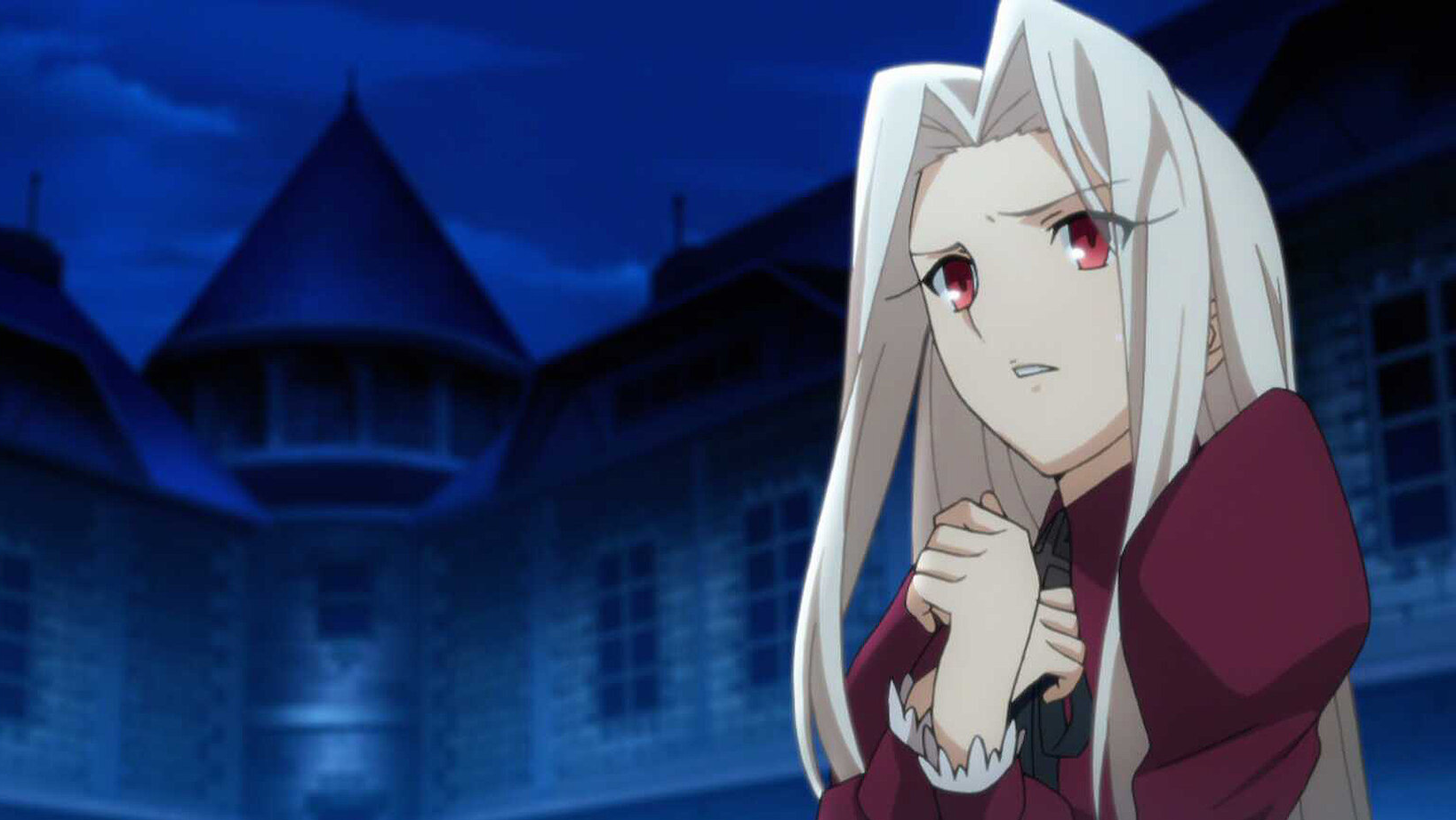
I love the dynamic between Irisviel and Saber, but unfortunately, in the grand scheme of things, they are kind of sidelined, even though they are really important. Saber, especially, is constantly punched down in the ideology debates. I get wanting to show Saber in a different light, but I think Fate/Zero went a little too far lol. Also, yeah, I love how she and Kiritsugu basically never interact throughout the series, and the last memory she has of him is destroying the Grail. Tragic… Gen Urobuchi and tragedy, where have I heard that before?
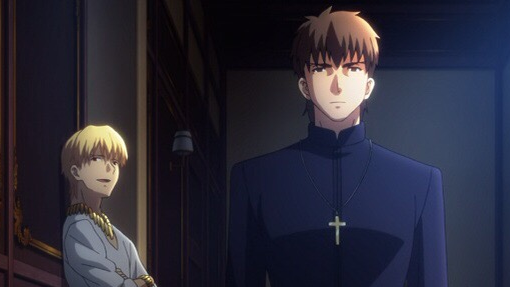
Kirei and Gilgamesh
Kirei, realizing that he is truly hollow and nothing really satisfies him, is exceptionally well done. He spends most of the story thinking that “if I do this, maybe I will feel SOMETHING,” but that never comes. His initial interest in Kiritsugu also makes sense; he thinks that maybe Kiritsugu will understand how he feels. Where his arc in Fate/Zero falls apart for me, though, is how much he is influenced by Gilgamesh. Kirei was messed up even before meeting Gil. But in Zero, it feels like without Gilgamesh, we wouldn’t have the FSN Kirei, which is just wrong.
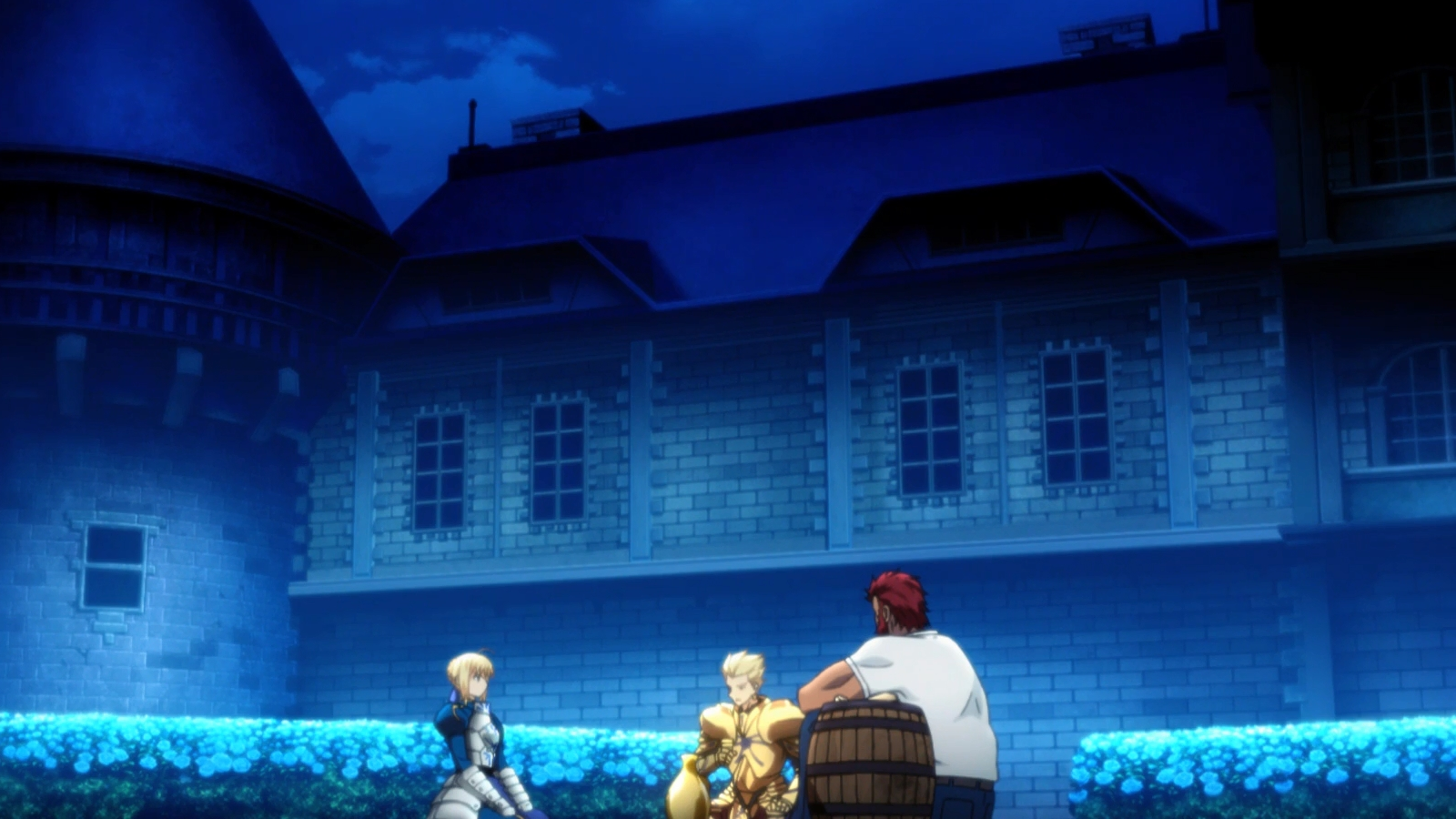
Gilgamesh is his usual arrogant sort. Though we get to learn more about his character here because of the Banquet of Kings. The ideological differences between him, Saber, and Rider make their interactions special. Every time they fight, the fight is way more than just a clash of swords. I get why Gil took a liking to Kirei; that’s in character, but Gil basically became Kirei’s teacher for a while, which was a little odd.
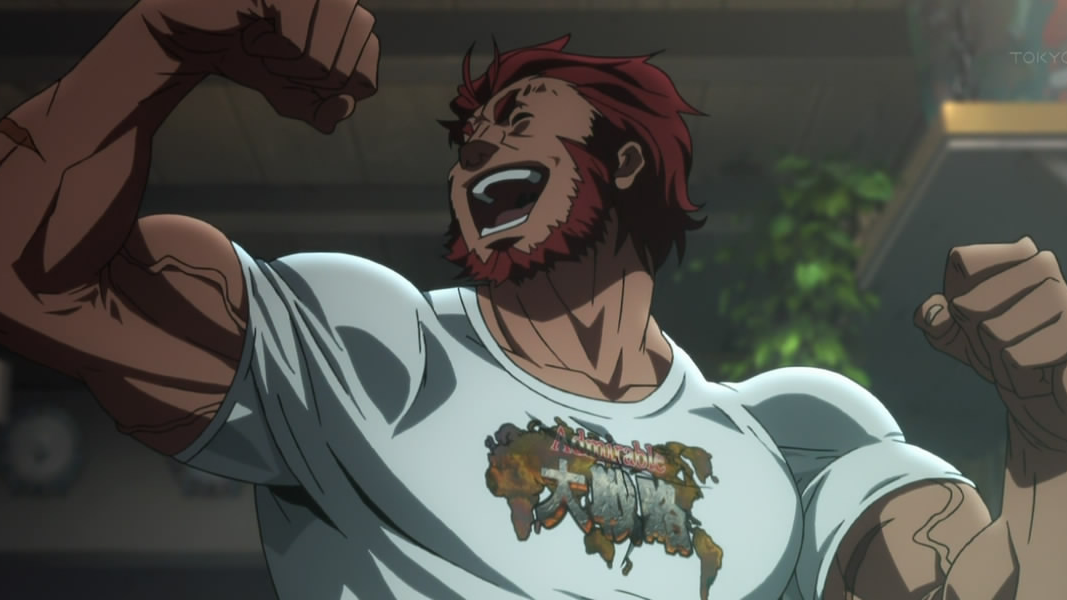
Rider
This Chad deserves his own section. Akio Otsuka’s voice gives him such an insane screen presence and charisma. I literally have nothing bad to say about him. Iskander is a peak example of a Fate character. So much so that those few days he spent with Waver were enough to inspire Waver to do many great things. Every single time he is on screen, he effortlessly commands your attention. And once again, props to Akio Otsuka for just nailing Iskander’s voice. He wouldn’t be nearly as iconic as he is without Akio Otsuka’s amazing performance.
Summing Up
This brings us to the end of the Fate/Zero retrospective. I always find myself wondering what would Fate/Zero look like NOW. Because Urobuchi has improved a lot since he wrote Fate/Zero. Again, just look at Madoka. All the typical Urobuchi things are still there, but now he has learned to express the philosophical sides of his stories better. He doesn’t rely on overly long monologues now, and his character work in general has gotten better.
But again, despite its flaws and all, Fate/Zero is a masterpiece in its own right. The whole point of this retrospective is to highlight what made Fate/Zero special. And I think the flaws are also a part of this show’s identity. As I said, for better or for worse, it is a Urobuchi product through and through, and I appreciate it for the unique take on the mythos. But let me know what you guys think in the comments. I will take my leave here. See ya!


